
-
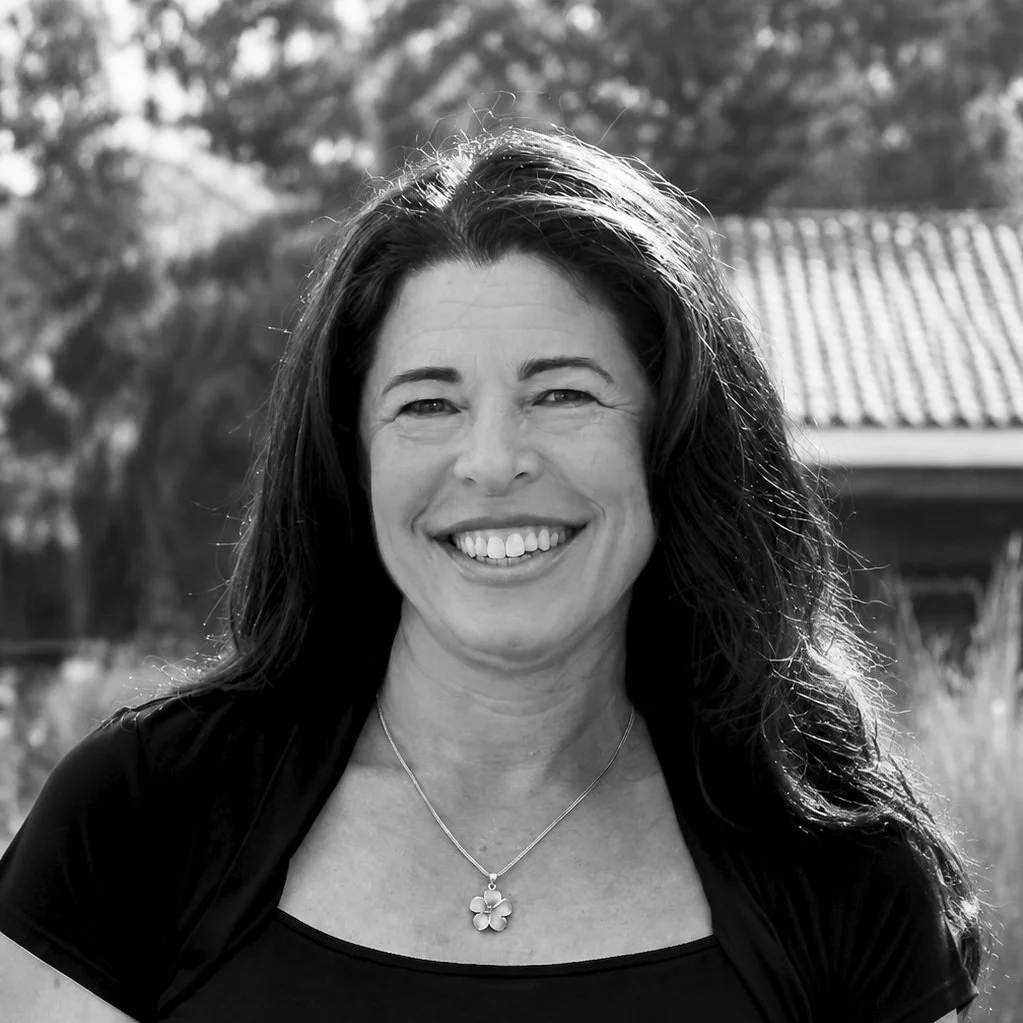
Ann Marie Council spent 25 years as a Deputy City Attorney for the City of San Diego. Her work included criminal prosecution, appellate matters, gun violence prevention, civil representation of first responders, and probate conservatorships. During the later years of her career, she focused increasingly on people with serious mental health conditions who repeatedly entered emergency rooms and the criminal legal system without receiving sustained treatment.
Ann Marie developed and led the City Attorney’s LIFT Program to address this gap. LIFT brought together emergency medical services, law enforcement, homeless outreach teams, and nonprofit medical providers to identify and pursue appropriate legal pathways for people with complex medical and behavioral health needs. The program initiated more than 20 probate conservatorship filings and achieved a greater than 90 percent reduction in associated 911 calls.
She also co-authored and co-managed a $3 million Proposition 47 grant supporting the San Diego Misdemeanants At Risk Track, known as SMART. The program provided housing, cognitive behavioral treatment, and substance use treatment to people facing jail sentences. Ann Marie developed the protocols for San Diego’s Gun Violence Restraining Order Unit, co-authored the city ordinance prohibiting novel synthetic drugs, and created the California Drug Matrix. The matrix categorizes more than 250 controlled substances and has been updated annually since 2015 for use by prosecutors and law enforcement agencies throughout California.
Ann Marie has developed policy proposals that contributed to California legislation, including Senate Bills 27, 331, and 367 and Assembly Bill 1105 during the 2025 legislative session, as well as Senate Bills 16, 561 and 1016 in the 2026 legislative session. Her published work includes legal scholarship, policy analysis, and public education. Her recent papers examining CARE Court and Welfare and Institutions Code section 5200 have informed reporting by the Los Angeles Times and LAist and policy discussions with organizations including the Steinberg Institute.
She has presented to the League of California Cities, the FBI National Academy for Law Enforcement, and the California Fire, EMS, and Disaster Conference, among other organizations.
At Quarter Turn Strategies, Ann Marie examines the difference between what the law authorizes or requires and how systems operate in practice. She identifies underused legal pathways, documents implementation gaps, and translates complex mental health law into practical guidance for policymakers, local governments, first responders, and other professionals who serve people in crisis.
Ann Marie earned her JD, magna cum laude, from California Western School of Law and her BA in Sociology from the University of California, San Diego.
Elizabeth McKewon, JD
Board Secretary
-
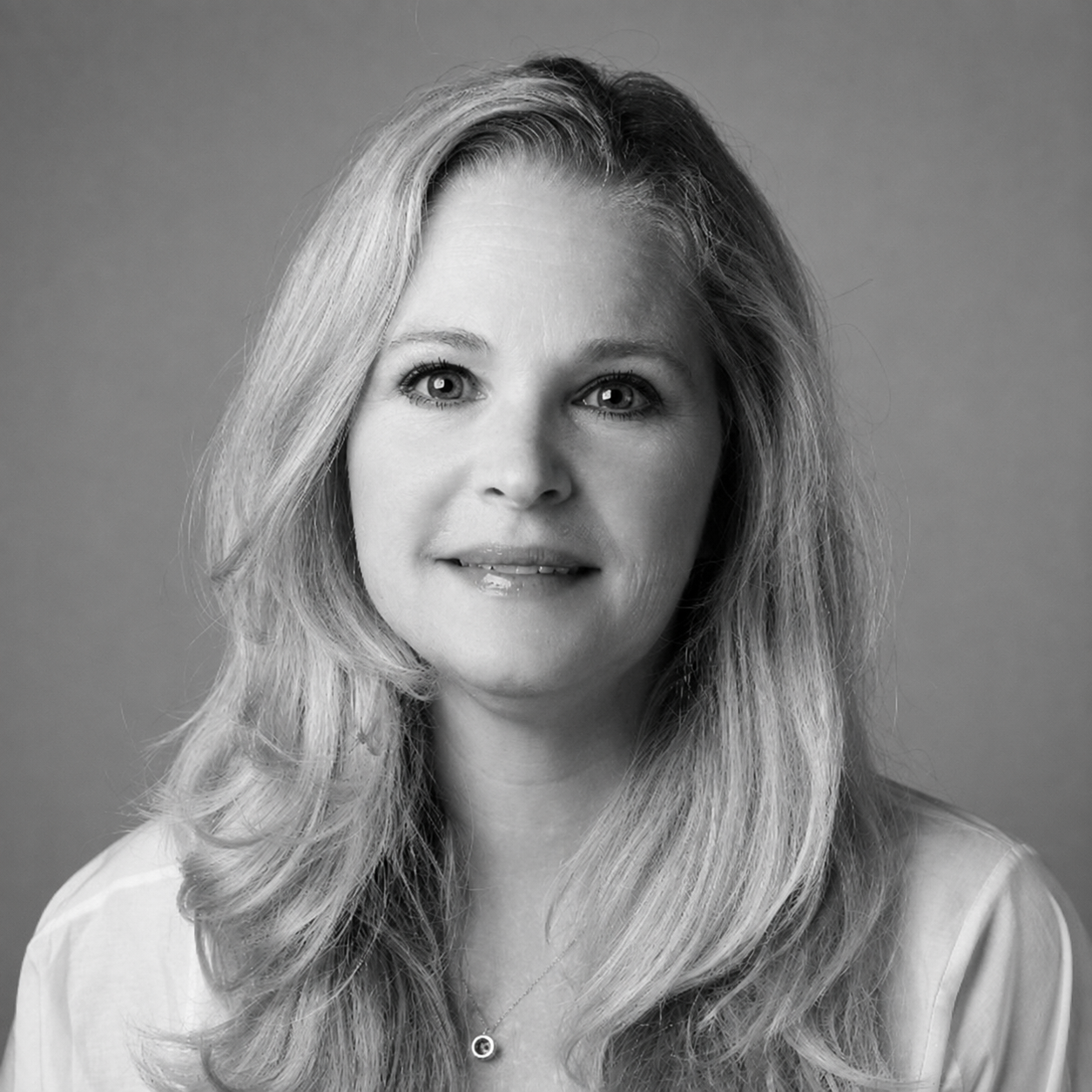
Elizabeth “Betsy” McKewon brings legal, business, and organizational experience to the Quarter Turn Strategies Board of Directors. She earned her law degree, cum laude, from California Western School of Law and practiced family law for 20 years. For eight of those years, she worked in the Family Law Facilitator’s Office, helping people who could not otherwise afford legal assistance. Today, she is an owner and the Director of Sales and Marketing at Xceptional, a technology solutions company.
As Board Secretary, Betsy helps QTS maintain strong governance, clear decision making, and accountability as the organization grows. She is committed to improving the mental health system for people and families and helping QTS build a strong foundation for its work.
Aaron Meyer, MD
Behavioral Health Policy Advisor
Research Contributor
-
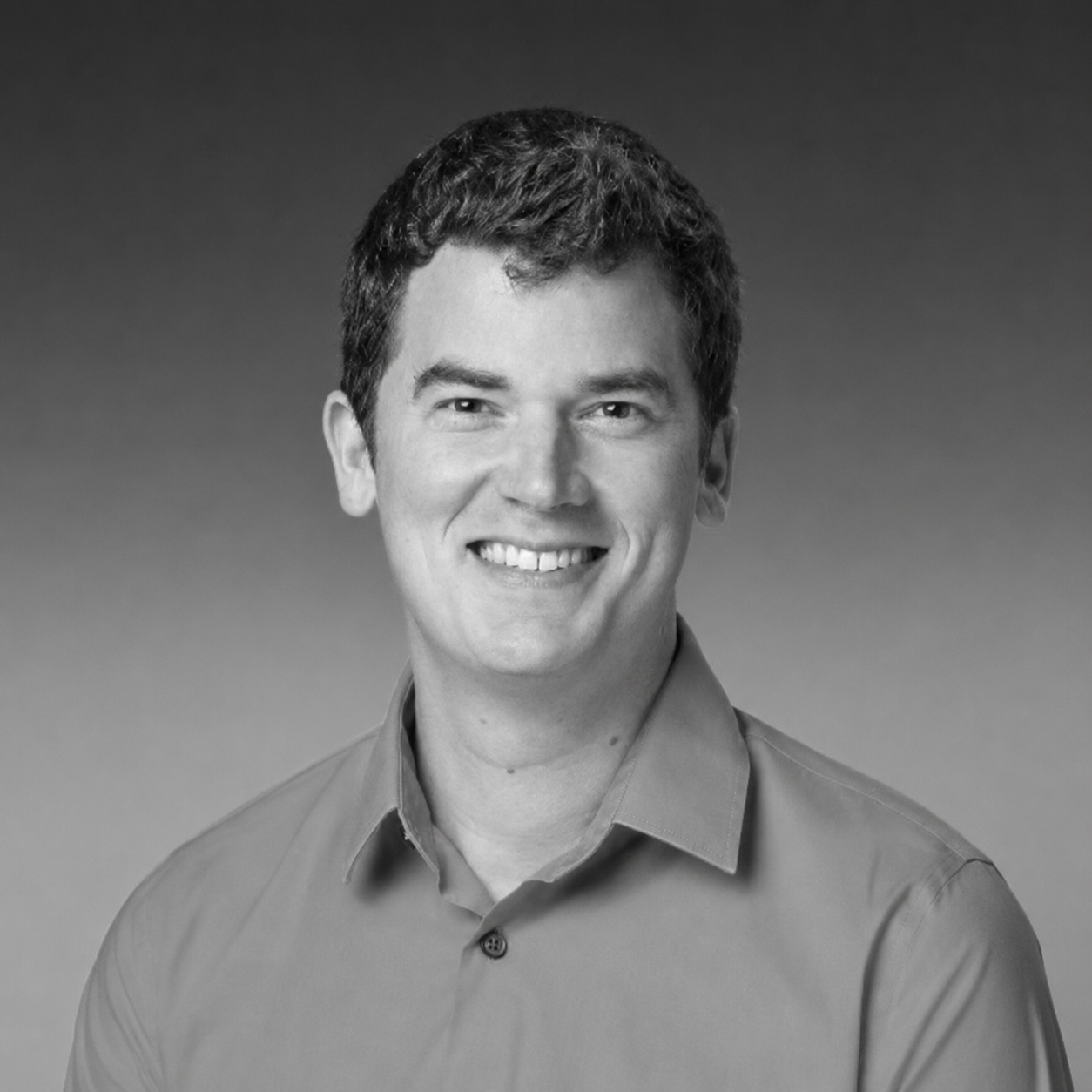
Aaron Meyer is a board-certified psychiatrist and family medicine physician whose career has been built around the populations that health systems most often fail: people with serious mental illness, substance use disorders, and complex social needs who cycle through emergency rooms, jails, and crisis services without ever receiving real care.
He serves as a Health Sciences Associate Clinical Professor of Psychiatry at UC San Diego, where his clinical, teaching, and research work focuses on co-occurring disorders, conservatorships, and the intersection of psychiatric care with emergency and legal systems. He was the lead clinical witness before the California State Senate Health Committee on Senate Bill 43, one of the most significant reforms to California's mental health law in decades, and has presented his work before the American Psychiatric Association, the California Association of LPS Hearing Officers, and numerous academic and clinical audiences.
He is the President of the San Diego Psychiatric Society and the current Governmental Affairs Committee Chair of the California State Association of Psychiatrists, where he helps shape the policy environment that governs psychiatric care statewide.
His collaboration with Quarter Turn Strategies brings deep clinical expertise to research and publications at the intersection of mental health law, emergency response, and systems reform.
Emily Wood, MD, PhD
Neurodevelopmental Disorders Policy Advisor
Clinical Assessor
Leadership and Governance
Ann Marie Council, JD
Chief Executive Officer
Mental Health Policy Advisor
Board Chair
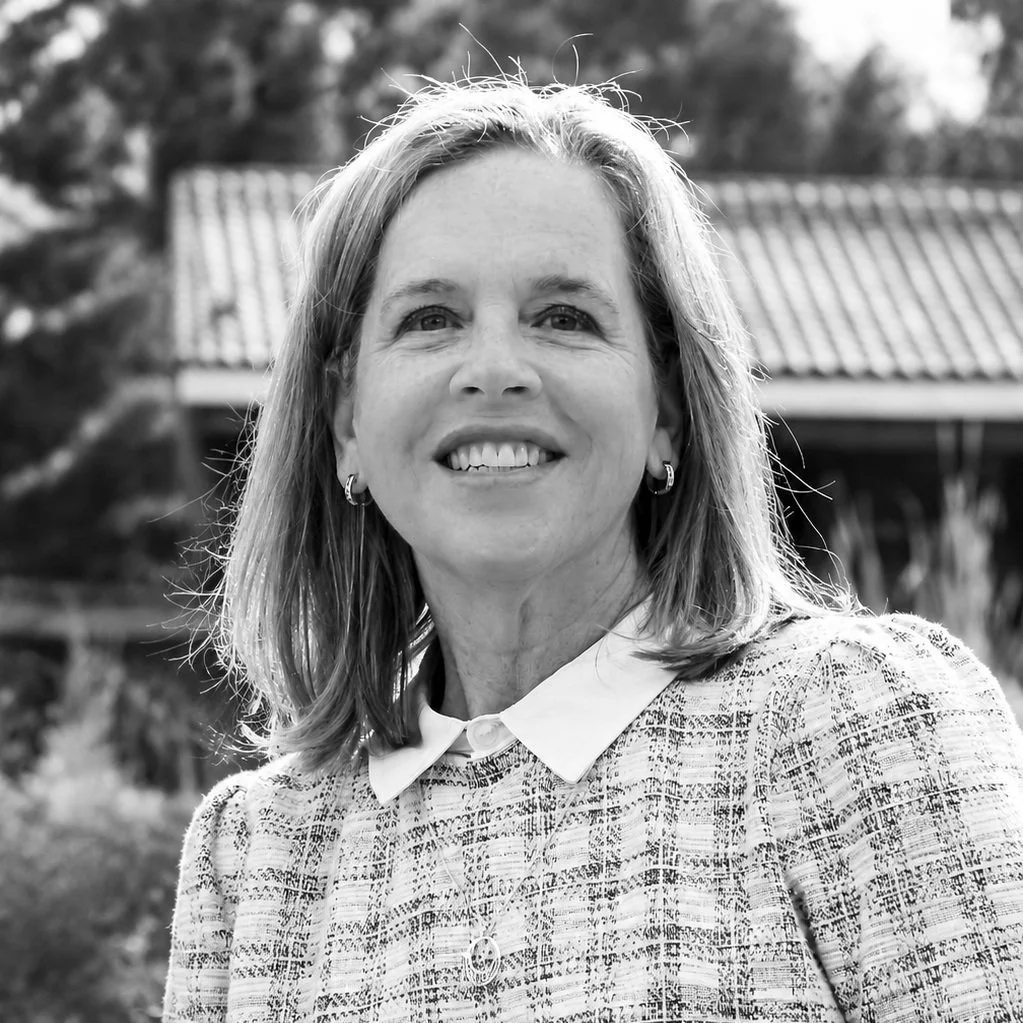
Wendy Moore
Chief Operating Officer
Grant Specialist
Board Treasurer
-
Wendy Moore brings more than 20 years of nonprofit leadership, fundraising, and organizational development experience to Quarter Turn Strategies. Her career has focused on securing resources for first responders and the organizations that support them.
Since 2010, Wendy has served as Executive Director of the San Diego Fire-Rescue Foundation. She has led fundraising campaigns, secured grants of up to $700,000, developed corporate partnerships, and created events that raised as much as $150,000 in their first year. Through W. Moore Consulting, she has also helped fire foundations in Orange County, Contra Costa County, and other jurisdictions establish and expand their fundraising and development programs.
At Quarter Turn Strategies, Wendy provides the operational and development expertise needed to turn policy research and ideas into sustainable programs. She supports organizational planning, board development, fundraising, grant strategy, partnerships, and program growth.
Wendy holds a Professional Certificate in Nonprofit Management from the Indiana University Lilly Family School of Philanthropy and a certificate in The Equity Journey from the Nonprofit Leadership Alliance. She is a member of the Grant Professionals Association and the Association of Fundraising Professionals.
Policy & Research Team
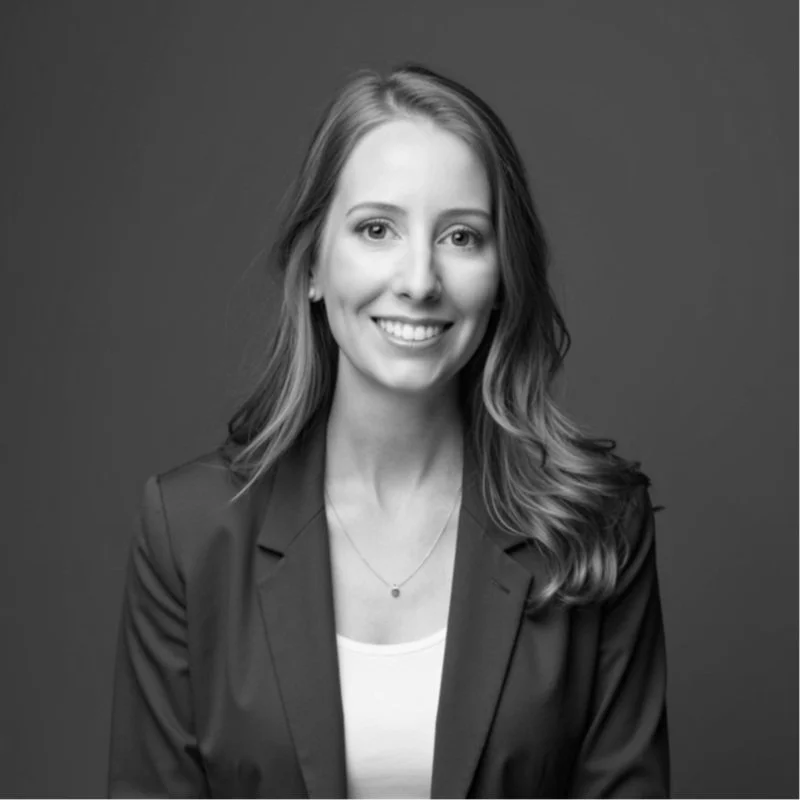
Jordan Lowery, JD
Research Contributor
-
Jordan Lowery brings something rare to the work of mental health policy reform: she has handled it from multiple angles in the field. As a Deputy City Attorney for the City of Sacramento, she currently serves as counsel to public safety departments and as a primary legal resource for city departments working with people experiencing homelessness. Before that, at the County of Shasta, she managed conservatorship hearings and trials, CARE Court implementation, and felony cases, giving her hands-on experience with the legal machinery that most policy discussions only theorize about.
She also serves as an Adjunct Professor at UC Davis School of Law, where she brings that practical expertise into the classroom and contributes to the next generation of attorneys who will navigate these systems.
Her collaboration with Quarter Turn Strategies reflects a shared conviction that the gap between mental health law on paper and mental health law in practice is where the real work happens.
Jordan earned her JD from the UC Irvine School of Law and her Bachelor of Arts from UC Davis.
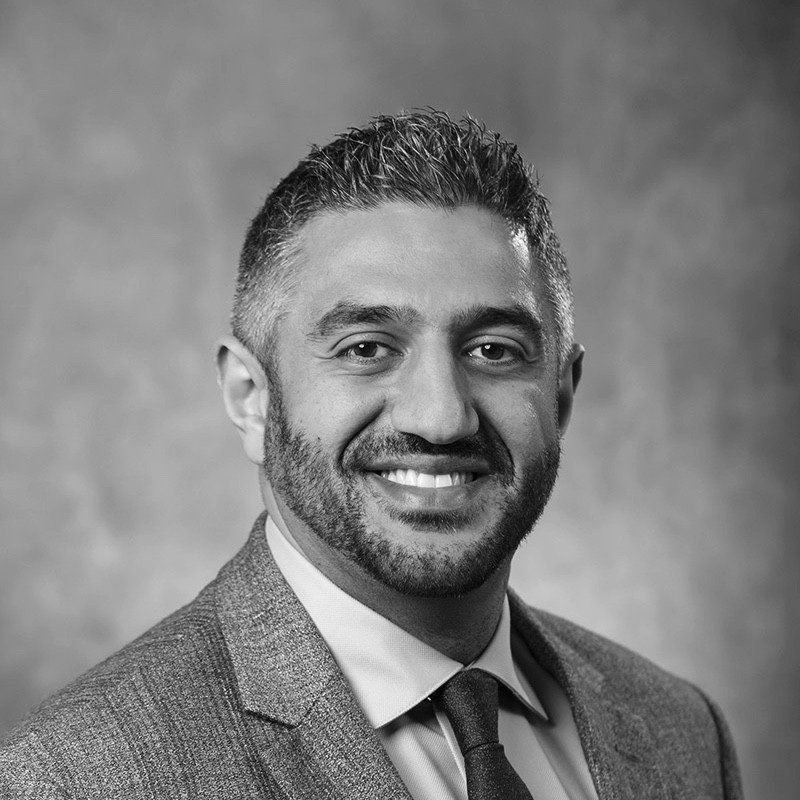
Alan Moazzam, MD
Research Contributor
-
Alan Moazzam MD MBA FACP is a board-certified internal medicine physician who specializes in caring for hospitalized patients. Dr. Moazzam completed his residency in internal medicine at USC Los Angeles County Hospital. He earned his medical degree at Saint Louis University, in St. Louis, MO and his Bachelor’s degree in Biochemistry from UCSD.
He currently serves as a Health Sciences Associate Clinical Professor with the Division of Hospital Medicine at UCSD. He is chair of the Physician Steering Committee for the Institute of Healthcare Engineering at Jacobs School of Engineering.
He is a clinical mentor and advisor to the Institute of the Global Entrepreneur (IGE) at UCSD, where he advises teams wanting to commercialize their medical technology. He is a Physician Affiliate to the Jacobs Center for Healthcare Innovation, where he works with researchers to develop AI-based clinical support tools and AI innovations for UCSD's healthcare ecosystem.
His research interests include night shift work and its effects on human physiology, wearables, and inpatient overnight care. He is a member of the Executive Committee for UCSD's Center for Circadian Biology and Medicine. Dr. Moazzam is a Fellow of the American College of Physicians and a member of the Society of Hospital Medicine. Prior to joining UC San Diego Health, Dr. Moazzam was a hospitalist at Huntington Memorial Hospital, in Pasadena, Calif.
-
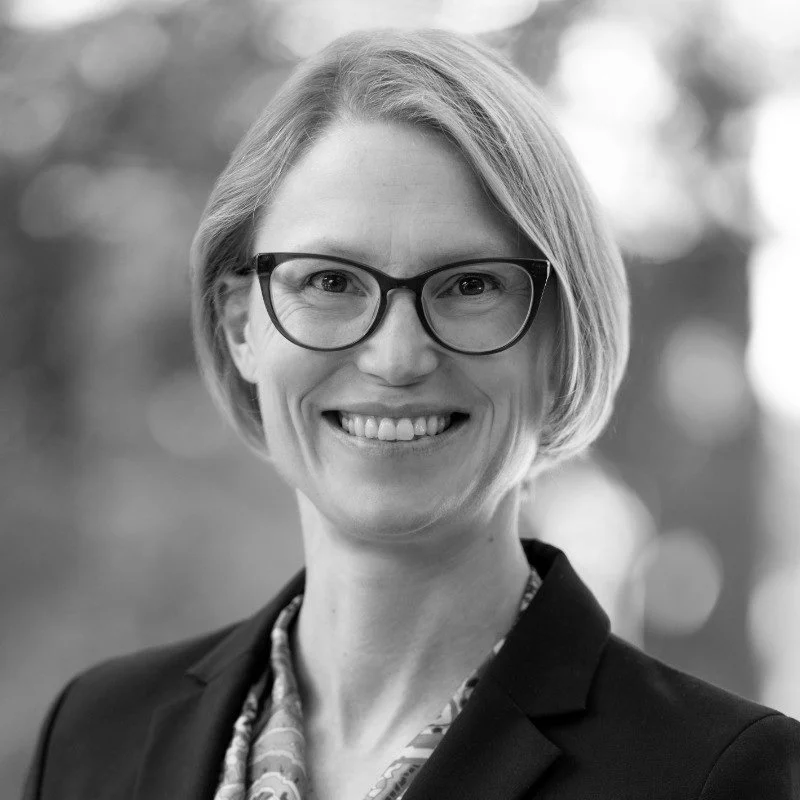
Emily Wood arrived at mental health policy the way most clinicians do: by watching the same people cycle through the same broken systems, and deciding that treating individuals wasn't enough. She completed the MD/PhD program at Johns Hopkins University School of Medicine, earning her doctorate from the Solomon H. Snyder Department of Neuroscience with research conducted at the National Institutes of Health. She went on to complete psychiatry residency and child and adolescent psychiatry fellowship at the UCLA Semel Institute for Neuroscience and Human Behavior, and is board-certified by the American Board of Psychiatry and Neurology in both general and child and adolescent psychiatry. That scientific foundation informs how she reads the evidence on treatment, involuntary care, and systems design, as well as where she pushes back on policy that outpaces it.
Her public-sector work spans the full arc of Los Angeles County's public mental health infrastructure, from youth in the juvenile halls to adults with serious mental illness at the LA County Jail, one of the largest jail-based mental health programs in the world. That experience gave her close familiarity with the legal frameworks governing psychiatric detention, competency, diversion, and conservatorship, as well as a clear-eyed view of the gap between what the law permits and what systems actually do. She has been an active voice in California mental health policy through the Southern California Psychiatric Society and the California State Association of Psychiatrists, providing legislative testimony and engaging directly with the development of SB 43, CARE Court, and Proposition 1. She also teaches mental health to Superior Court judges through the Judicial Council of California's Center for Judicial Education and Research.
At Quarter Turn Strategies, Dr. Wood brings deep clinical expertise to questions about how psychiatric care intersects with emergency response, criminal justice, and the legal infrastructure designed to serve people with serious mental illness and neurodevelopmental disorders. She identifies where clinical knowledge is absent from policy decisions, and how this affects outcomes. She currently serves as Medical Director of Spectrum Psych LA and as Clinical Assistant Professor at Charles R. Drew University, where she teaches neuroscience to psychiatry residents and fellows.
Summer 2026 Interns
Ariana R. Grube-Rubino
UNC Greensboro
Brighton Burton
UC San Diego
Nico Huiner
Bates College
Sejal Moorjani
UC Riverside
Lavender Perry
Occidental College